

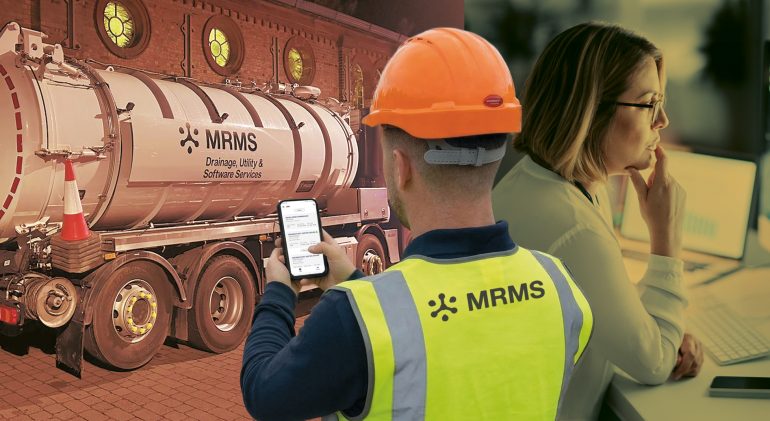
For tankering operators, managing jobs efficiently is becoming increasingly complex. Clients expect faster response times, greater transparency and stronger compliance, while operators need accurate commercial oversight and real-time visibility of their resources.
The challenge is that many businesses are still relying on disconnected systems, spreadsheets and manual processes to manage critical operational information. This can make it difficult to gain a clear picture of performance while work is underway, often resulting in delays, duplication and missed opportunities to improve efficiency.
To address these challenges, the software team at MRMS have developed Operis Tankering, a dedicated job management platform built specifically for modern tankering operations.
A Single System for the Entire Job Lifecycle
Operis Tankering brings every stage of the job process together into one platform, from the initial call-out through to invoicing. By consolidating operational, commercial and reporting functions into a single system, operators can eliminate the fragmentation that often slows decision-making and introduces unnecessary risk.
Rather than relying on multiple spreadsheets, emails and disconnected software packages, teams can access live information from a centralised platform that provides visibility across the entire operation. As MRMS Operations Director Tom Persson explains:
“Operators shouldn’t have to piece together information from multiple systems to understand job performance. Operis Tankering brings live job status, resource deployment and commercial data into one place, enabling confident decision-making while work is still in progress.”
Real-Time Visibility Where It Matters Most
One of the key advantages of Operis Tankering is the ability to see what is happening across the fleet in real time.
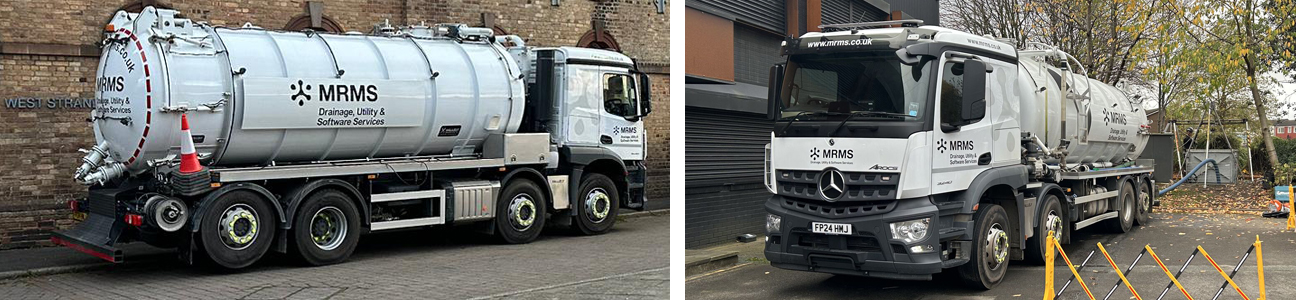
Fleet managers can monitor tanker deployment as work progresses, helping them allocate resources more effectively and respond quickly to changing operational demands. This level of visibility is particularly valuable in reactive environments, where delays, miscommunication or inefficient resource allocation can quickly become costly.
By providing a live view of operational activity, Operis Tankering helps operators make informed decisions while outcomes can still be influenced, rather than relying on retrospective reporting once the job is complete.
Improving Commercial Accuracy
Operational visibility is only one part of the equation. Maintaining accurate commercial control is equally important. Operis Tankering automatically calculates hours, rates and job values in real time, removing the need for manual calculations and reducing the administrative burden associated with post-job reconciliation.
This not only saves time but also improves confidence in the accuracy of commercial reporting. MRMS IT Director Sujon Miah explains:
“From a systems perspective, the goal was to eliminate duplication and create a single source of verifiable information. By automating calculations and centralising data, teams have immediate access to reliable commercial information.”
Built for Accountability and Auditability
As compliance requirements continue to increase, maintaining accurate records has become a critical part of tankering operations.
Every action within Operis Tankering is logged automatically, creating a complete audit trail that supports accountability, transparency and compliance. This provides operators with confidence that key operational and commercial information is recorded consistently and can be accessed whenever required.
A More Proactive Approach to Fleet Management
Ultimately, Operis Tankering is designed to give contractors greater control over their business operations.
By combining end-to-end workflow management, real-time operational visibility, automated commercial tracking and a comprehensive audit trail, the platform enables a more proactive and data-driven approach to fleet operations.
The result is a clearer understanding of performance, profitability and accountability, with the information needed to make informed decisions available in real time rather than after the event.